我们在写业务代码经常遇到需要一大堆if/else,会导致代码可读性大大降低,有没有一种方法可以避免代码中出现大量的判断语句呢?答案是用规则引擎,但是传统的规则引擎都比较重,比如开源的Drools,不适合在小需求中应用。最近在github上面看到一个傻瓜式的Java规则引擎Easy-Rules,这里结合自己写的demo介绍如何使用这个规则引擎,希望对大家有所帮助。

easy-rules的特点

  • 轻量级类库和容易上手
  • 基于POJO的开发与注解的编程模型
  • 基于MVEL表达式的编程模型(适用于极简单的规则,一般不推荐)
  • 支持根据简单的规则创建组合规则
  • 方便且适用于java的抽象的业务模型规则

它主要包括几个主要的类或接口:Rule,RulesEngine,RuleListener,Facts还有几个主要的注解:@Action,@Condition,@Fact,@Priority,@Rule

例1:基于POJO开发与注解的编程模型:判断1-50中,被3或者8整除的数

首先maven 引入easy-rules

   <dependency>
      <groupId>org.jeasy</groupId>
      <artifactId>easy-rules-core</artifactId>
      <version>3.3.0</version>
    </dependency>
    <dependency>
      <groupId>org.jeasy</groupId>
      <artifactId>easy-rules-mvel</artifactId>
      <version>3.3.0</version>
    </dependency>

编写规则POJO:

规则1

1

2

3

4

5

6

7

8

9

10

11

12

13

14

15

16

17

18

19

20

21

22

23

24

25

26

27

28

29

30

31

32

33

@Rule(name = "被3整除", description = "number如果被3整除,打印:number is three")

public class ThreeRule {

  /**

   * Condition:条件判断注解:如果return true, 执行Action

   *

   * @param number

   * @return

   */

  @Condition

  public boolean isThree(@Fact("number") int number) {

    return number % 3 == 0;

  }

  /**

   * Action 执行方法注解

   *

   * @param number

   */

  @Action

  public void threeAction(@Fact("number") int number) {

    System.out.println(number + " is three");

  }

  /**

   * Priority:优先级注解:return 数值越小,优先级越高

   *

   * @return

   */

  @Priority

  public int getPriority() {

    return 1;

  }

}

规则2

1

2

3

4

5

6

7

8

9

10

11

12

13

14

15

16

17

18

19

20

21

22

23

24

25

26

27

28

29

30

31

32

33

34

@Rule(name = "被8整除")

public class EightRule {

  /**

   * 条件

   *

   * @param number

   * @return

   */

  @Condition

  public boolean isEight(@Fact("number") int number) {

    return number % 8 == 0;

  }

  /**

   * 满足条件的动作

   *

   * @param number

   */

  @Action

  public void eightAction(@Fact("number") int number) {

    System.out.println(number + " is eight");

  }

  /**

   * 条件判断的优先级

   *

   * @return

   */

  @Priority

  public int getPriority() {

    return 2;

  }

}

规则3(组合规则-同时执行)

1

2

3

4

5

6

7

8

9

10

11

12

13

14

@Rule(name = "被3和8同时整除", description = "这是一个组合规则")

public class ThreeEightRuleUnitGroup extends UnitRuleGroup {

  public ThreeEightRuleUnitGroup(Object... rules) {

    for (Object rule : rules) {

      addRule(rule);

    }

  }

  @Override

  public int getPriority() {

    return 0;

  }

}

规则4

1

2

3

4

5

6

7

8

9

10

11

12

13

14

15

16

17

@Rule(name = "既不被3整除也不被8整除", description = "打印number自己")

public class OtherRule {

  @Condition

  public boolean isOther(@Fact("number") int number){

    return number % 3 != 0 || number % 8 != 0;

  }

  @Action

  public void printSelf(@Fact("number") int number){

    System.out.print(number);

  }

  @Priority

  public int getPriority(){

    return 3;

  }

}

执行规则

1

2

3

4

5

6

7

8

9

10

11

12

13

14

15

16

17

18

19

20

21

22

23

24

25

26

public class ThreeEightRuleLauncher {

  public static void main(String[] args) {

    /**

     * 创建规则执行引擎

     * 注意: skipOnFirstAppliedRule意思是,只要匹配到第一条规则就跳过后面规则匹配

     */

    RulesEngineParameters parameters = new

    RulesEngineParameters().skipOnFirstAppliedRule(true);

    RulesEngine rulesEngine = new DefaultRulesEngine(parameters);

    //创建规则

    Rules rules = new Rules();

    rules.register(new EightRule());

    rules.register(new ThreeRule());

    rules.register(new ThreeEightRuleUnitGroup(new EightRule(), new ThreeRule()));

    rules.register(new OtherRule());

    Facts facts = new Facts();

    for (int i=1 ; i<=50 ; i++){

      //规则因素,对应的name,要和规则里面的@Fact 一致

      facts.put("number", i);

      //执行规则

      rulesEngine.fire(rules, facts);

      System.out.println();

    }

  }

}

例2:基于MVEL表达式的编程模型

本例演示如何使用MVEL表达式定义规则,MVEL通过Easy-Rules MVEL模块提供。此模块包含使用MVEL定义规则的API。我们将在这里使用这些API,其目标是实现一个简单的商店应用程序,要求如下:禁止儿童购买酒精,成年人的最低法定年龄为18岁。 商店顾客由Person类定义:

1

2

3

4

5

6

7

8

9

10

11

12

13

14

15

16

17

@Data

@AllArgsConstructor

@NoArgsConstructor

public class Person {

  private String name;

  private boolean adult;

  private int age;

  //getter, setter 省略

  public Person(String name, int age) {

    this.name = name;

    this.age = age;

  }

}

我们定义两个规则:

  • 规则1:可以更新Person实例,判断年龄是否大于18岁,并设置成人标志。
  • 规则2:判断此人是否为成年人,并拒绝儿童(即非成年人)购买酒精。

显然,规则1的优先级要大于规则2,我们可以设置规则1的Priority为1,规则2的Priority为2,这样保证规则引擎在执行规则的时候,按优先级的顺序执行规则。

规则1的定义

1

2

3

4

5

6

Rule ageRule = new MVELRule()

       .name("age rule")

       .description("Check if person's age is > 18 and marks the person as adult")

       .priority(1)

       .when("person.age > 18")

       .then("person.setAdult(true);");

规则2的定义,我们放到alcohol-rule.yml文件中

1

2

3

4

5

6

name: "alcohol rule"

description: "children are not allowed to buy alcohol"

priority: 2

condition: "person.isAdult() == false"

actions:

 - "System.out.println(\"Shop: Sorry, you are not allowed to buy alcohol\");"

执行规则

1

2

3

4

5

6

7

8

9

10

11

12

13

14

15

16

17

18

19

20

21

22

23

24

25

26

27

28

29

public class ShopLauncher {

  public static void main(String[] args) throws Exception {

    //创建一个Person实例(Fact)

    Person tom = new Person("Tom", 19);

    Facts facts = new Facts();

    facts.put("person", tom);

    //创建规则1

    Rule ageRule = new MVELRule()

        .name("age rule")

        .description("Check if person's age is > 18 and marks the person as adult")

        .priority(1)

        .when("person.age > 18")

        .then("person.setAdult(true);");

    //创建规则2

    Rule alcoholRule = new MVELRuleFactory(new YamlRuleDefinitionReader()).

        createRule(new FileReader(ResourceUtils.getFile("classpath:alcohol-rule.yml")));

    Rules rules = new Rules();

    rules.register(ageRule);

    rules.register(alcoholRule);

    //创建规则执行引擎,并执行规则

    RulesEngine rulesEngine = new DefaultRulesEngine();

    System.out.println("Tom: Hi! can I have some Vodka please?");

    rulesEngine.fire(rules, facts);

    System.out.println(JSON.toJSONString(tom));

  }

}

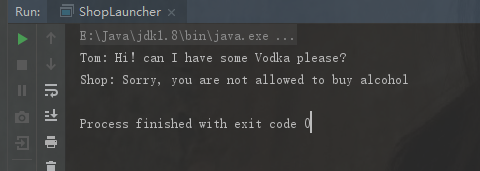
执行结果如下:

Logo

腾讯云面向开发者汇聚海量精品云计算使用和开发经验,营造开放的云计算技术生态圈。

更多推荐