Flutter三方库 smooth_page_indicator 适配 OpenHarmony ——实现平滑页面指示器蠕虫效果
在移动应用开发中,页面指示器是一种常见的UI组件,用于指示用户当前在多页内容中的位置。Flutter生态中有许多优秀的页面指示器库,其中smooth_page_indicator以其流畅的动画效果和丰富的样式选项受到开发者的喜爱。随着OpenHarmony生态的不断发展,越来越多的Flutter应用需要适配到这个新平台。将smooth_page_indicator这样的第三方库适配到OpenHar
欢迎加入开源鸿蒙跨平台社区: https://openharmonycrossplatform.csdn.net
目录
- 前言:平滑页面指示器在OpenHarmony上的适配探索
- 混合工程结构深度解析
- 展示效果图片
- 引入第三方库 smooth_page_indicator
- 功能代码实现
- 本次开发中容易遇到的问题
- 总结本次开发中用到的技术点
前言:平滑页面指示器在OpenHarmony上的适配探索
在移动应用开发中,页面指示器是一种常见的UI组件,用于指示用户当前在多页内容中的位置。Flutter生态中有许多优秀的页面指示器库,其中smooth_page_indicator以其流畅的动画效果和丰富的样式选项受到开发者的喜爱。
随着OpenHarmony生态的不断发展,越来越多的Flutter应用需要适配到这个新平台。将smooth_page_indicator这样的第三方库适配到OpenHarmony,不仅可以保持应用UI的一致性,还能提升用户体验。
本文将详细介绍如何在Flutter项目中集成smooth_page_indicator库,并使其在OpenHarmony平台上正常运行。我们将从项目结构分析、依赖引入、组件实现到最终部署,全面讲解整个适配过程,希望能为开发者提供实用的参考。
混合工程结构深度解析
项目目录架构
当Flutter项目集成鸿蒙支持后,典型的项目结构会发生显著变化。以下是经过ohos_flutter插件初始化后的项目结构:
my_flutter_harmony_app/
├── lib/                          # Flutter业务代码(基本不变)
│   ├── main.dart                 # 应用入口
│   ├── components/               # 组件目录
│   │   └── smooth_page_indicator.dart  # 平滑页面指示器组件
│   └── utils/                    # 工具类目录
├── pubspec.yaml                  # Flutter依赖配置
├── ohos/                         # 鸿蒙原生层(核心适配区)
│   ├── entry/                    # 主模块
│   │   └── src/main/
│   │       ├── ets/              # ArkTS代码
│   │       │   ├── entryability/  # 入口ability
│   │       │   │   └── EntryAbility.ets  # 主Ability
│   │       │   └── pages/        # 页面目录
│   │       │       └── Index.ets  # 主页面
│   │       ├── resources/        # 鸿蒙资源文件
│   │       │   ├── base/
│   │       │   │   ├── element/  # 字符串等
│   │       │   │   ├── media/    # 图片资源
│   │       │   │   └── profile/  # 配置文件
│   │       │   └── zh_CN/        # 中文资源
│   │       └── module.json5      # 模块配置
│   ├── hvigor/                   # 构建工具配置
│   ├── build-profile.json5      # 构建配置
│   └── oh-package.json5         # 鸿蒙依赖管理
└── README.md                     # 项目说明
展示效果图片
flutter 实时预览 效果展示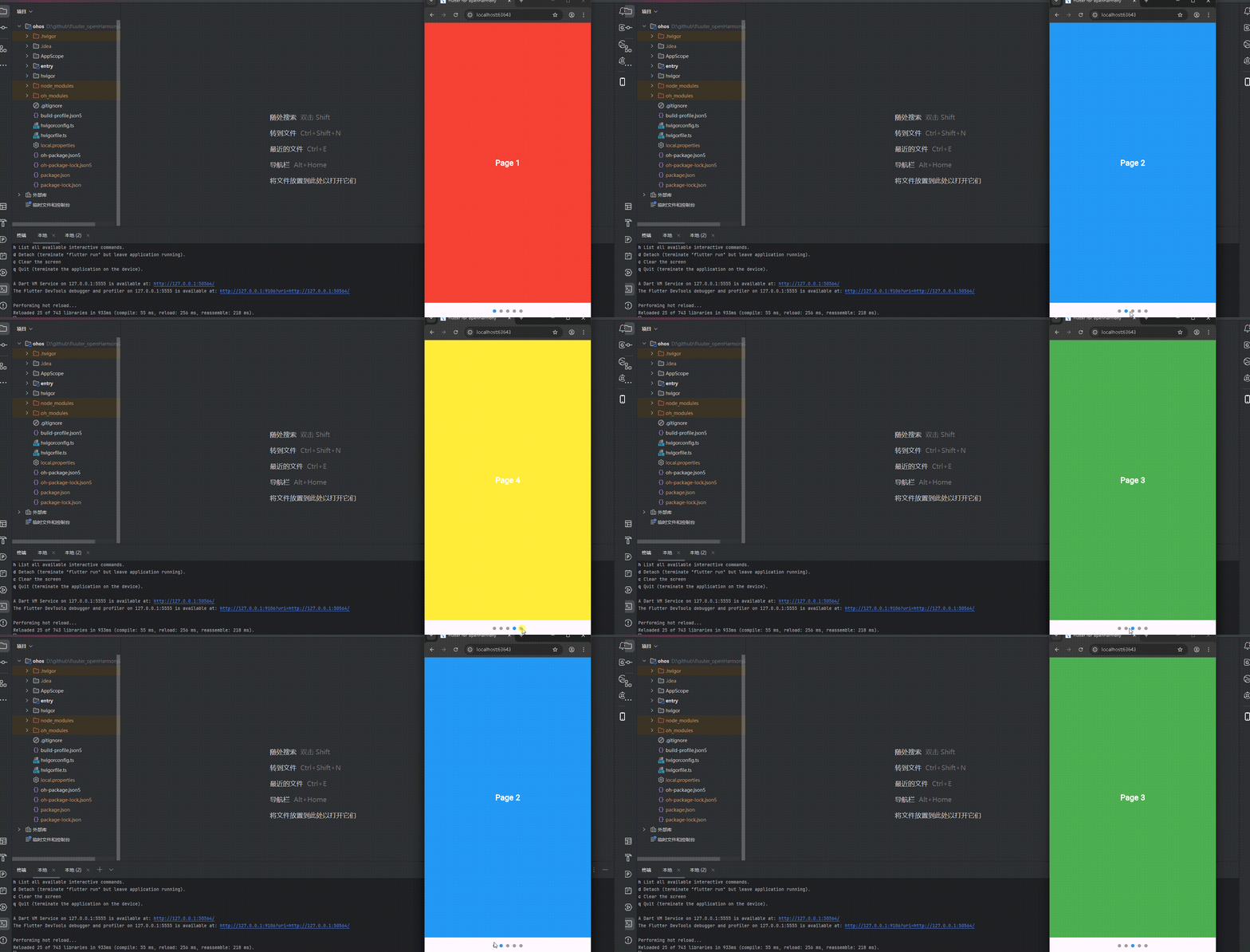
运行到鸿蒙虚拟设备中效果展示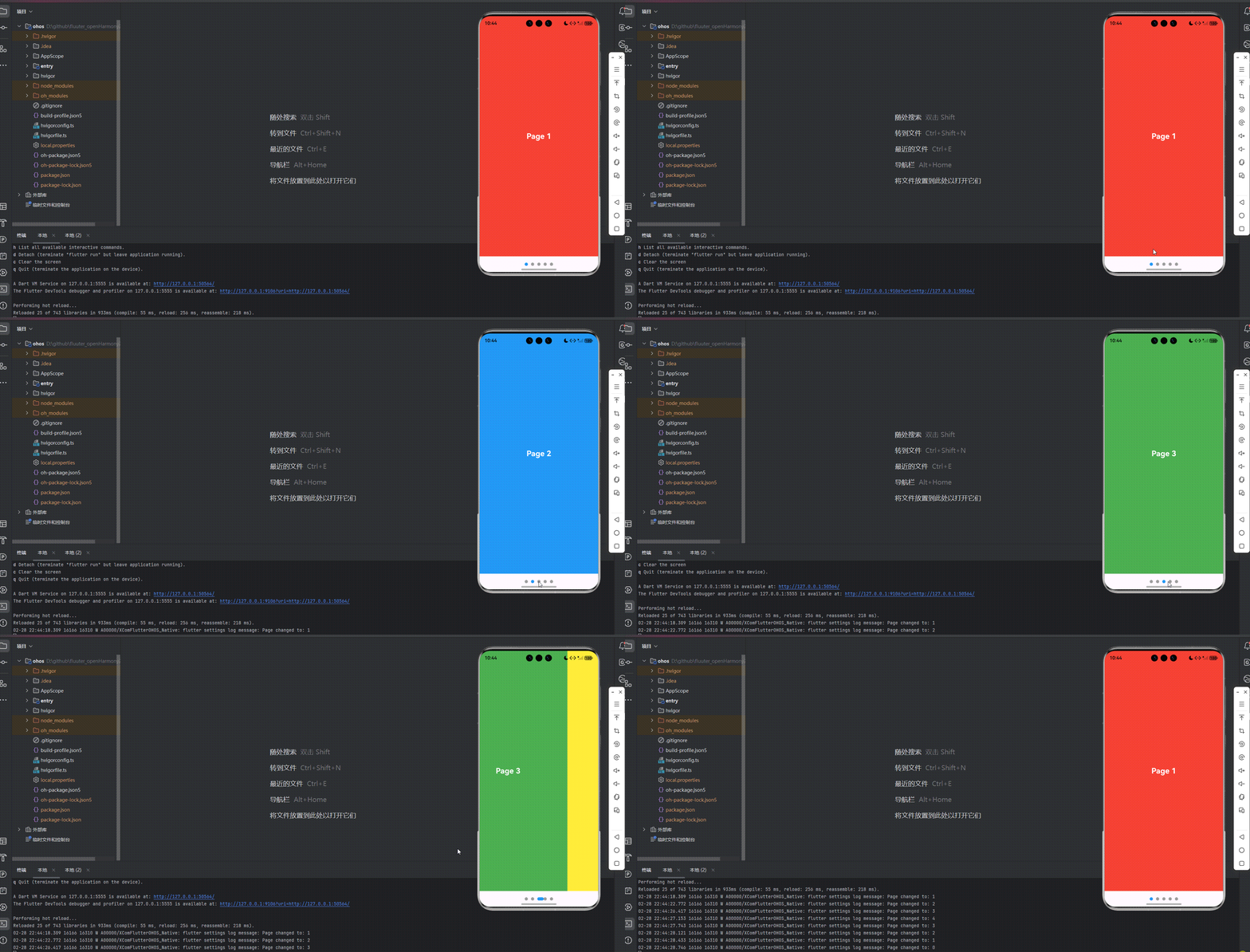
引入第三方库 smooth_page_indicator
要在Flutter项目中使用smooth_page_indicator库,首先需要在pubspec.yaml文件中添加依赖:
dependencies:
  flutter:
    sdk: flutter

  # 平滑页面指示器
  smooth_page_indicator: ^1.1.0
添加依赖后,运行flutter pub get命令获取依赖包:
flutter pub get
功能代码实现
平滑页面指示器组件实现
我们将平滑页面指示器封装为一个独立的组件,方便在应用中复用。创建lib/components/smooth_page_indicator.dart文件:
import 'package:flutter/material.dart';
import 'package:smooth_page_indicator/smooth_page_indicator.dart';
class SmoothPageIndicatorComponent extends StatefulWidget {
final int pageCount;
final ValueChanged<int>? onPageChanged;
const SmoothPageIndicatorComponent({
Key? key,
required this.pageCount,
this.onPageChanged,
}) : super(key: key);
_SmoothPageIndicatorComponentState createState() => _SmoothPageIndicatorComponentState();
}
class _SmoothPageIndicatorComponentState extends State<SmoothPageIndicatorComponent> {
final PageController _controller = PageController();
int _currentPage = 0;
void dispose() {
_controller.dispose();
super.dispose();
}
void _onPageChanged(int index) {
setState(() {
_currentPage = index;
});
if (widget.onPageChanged != null) {
widget.onPageChanged!(index);
}
}
Widget build(BuildContext context) {
return Column(
children: [
Expanded(
child: PageView.builder(
controller: _controller,
onPageChanged: _onPageChanged,
itemCount: widget.pageCount,
itemBuilder: (context, index) {
return GestureDetector(
onTap: () {
// 点击页面时的交互效果
ScaffoldMessenger.of(context).showSnackBar(
SnackBar(
content: Text('Page ${index + 1} clicked!'),
duration: Duration(seconds: 1),
),
);
},
child: Container(
color: _getPageColor(index),
child: Center(
child: Text(
'Page ${index + 1}',
style: TextStyle(
fontSize: 24,
fontWeight: FontWeight.bold,
color: Colors.white,
),
),
),
),
);
},
),
),
Padding(
padding: const EdgeInsets.symmetric(vertical: 20),
child: SmoothPageIndicator(
controller: _controller,
count: widget.pageCount,
effect: WormEffect(
activeDotColor: Colors.blue,
dotColor: Colors.grey,
dotHeight: 10,
dotWidth: 10,
spacing: 10,
),
onDotClicked: (index) {
_controller.animateToPage(
index,
duration: Duration(milliseconds: 300),
curve: Curves.easeInOut,
);
},
),
),
],
);
}
Color _getPageColor(int index) {
final colors = [
Colors.red,
Colors.blue,
Colors.green,
Colors.yellow,
Colors.purple,
];
return colors[index % colors.length];
}
}
组件实现说明
-
组件结构:
SmoothPageIndicatorComponent是一个StatefulWidget,接收两个参数:pageCount(页面数量)和onPageChanged(页面变化回调)。- 内部使用
PageController来控制页面切换。
-
核心功能:
- 使用
PageView.builder构建可滑动的页面列表。 - 每个页面都添加了点击事件,点击时会显示SnackBar提示。
- 使用
SmoothPageIndicator组件实现蠕虫效果的页面指示器。 - 实现了点击指示器切换页面的功能。
- 使用
-
样式配置:
- 使用
WormEffect配置指示器的样式,包括激活点颜色、默认点颜色、大小和间距。 - 为每个页面设置了不同的背景颜色,便于区分。
- 使用
在应用中使用平滑页面指示器
修改lib/main.dart文件,在首页直接使用SmoothPageIndicatorComponent组件:
import 'package:flutter/material.dart';
import 'package:aa/components/smooth_page_indicator.dart';
void main() {
runApp(const MyApp());
}
class MyApp extends StatelessWidget {
const MyApp({super.key});
Widget build(BuildContext context) {
return MaterialApp(
title: 'Flutter for openHarmony',
theme: ThemeData(
colorScheme: ColorScheme.fromSeed(seedColor: Colors.deepPurple),
useMaterial3: true,
),
debugShowCheckedModeBanner: false,
home: const MyHomePage(title: 'Flutter for openHarmony'),
);
}
}
class MyHomePage extends StatefulWidget {
const MyHomePage({super.key, required this.title});
final String title;
State<MyHomePage> createState() => _MyHomePageState();
}
class _MyHomePageState extends State<MyHomePage> {
Widget build(BuildContext context) {
return Scaffold(
body: SmoothPageIndicatorComponent(
pageCount: 5,
onPageChanged: (index) {
print('Page changed to: $index');
},
),
);
}
}
使用说明
- 引入组件:在
main.dart中导入smooth_page_indicator.dart文件。 - 初始化组件:在
MyHomePage的build方法中创建SmoothPageIndicatorComponent实例。 - 配置参数:设置
pageCount为5,表示有5个页面;设置onPageChanged回调,用于监听页面变化。 - 集成到布局:将
SmoothPageIndicatorComponent作为Scaffold的body,占据整个屏幕空间。
开发中需要注意的点
-
依赖版本:
- 确保使用的
smooth_page_indicator版本与Flutter SDK版本兼容。 - 本文使用的是
smooth_page_indicator: ^1.1.0,适用于Flutter 3.0及以上版本。
- 确保使用的
-
参数配置:
WormEffect的参数需要根据实际需求调整,例如dotHeight、dotWidth和spacing等。- 注意不同版本的
smooth_page_indicator可能有不同的参数名称,例如某些版本可能没有wormLength参数。
-
性能优化:
- 对于大量页面的情况,建议使用
PageView.builder而不是PageView,以提高性能。 - 在不需要页面指示器时,可以通过条件渲染来减少不必要的UI渲染。
- 对于大量页面的情况,建议使用
-
平台适配:
- 虽然Flutter可以跨平台运行,但在OpenHarmony上可能需要额外的配置。
- 确保项目已经正确配置了OpenHarmony支持,包括
ohos目录结构和相关配置文件。
本次开发中容易遇到的问题
-
依赖冲突:
- 问题:添加
smooth_page_indicator依赖后,可能会与项目中已有的其他依赖产生冲突。 - 解决方案:运行
flutter pub get查看具体冲突信息,然后调整依赖版本或使用兼容的替代库。
- 问题:添加
-
参数错误:
- 问题:使用了不存在的参数,例如在某些版本的
smooth_page_indicator中使用wormLength参数。 - 解决方案:查看
smooth_page_indicator的官方文档,了解当前版本支持的参数列表。
- 问题:使用了不存在的参数,例如在某些版本的
-
平台兼容性:
- 问题:在OpenHarmony平台上运行时可能出现渲染问题或功能异常。
- 解决方案:确保项目已经正确配置了OpenHarmony支持,并且使用的Flutter版本与OpenHarmony SDK兼容。
-
构建失败:
- 问题:运行
flutter build web或flutter run时出现构建失败。 - 解决方案:检查代码中是否有语法错误或类型错误,确保所有依赖都已正确安装。
- 问题:运行
总结本次开发中用到的技术点
-
Flutter组件化开发:
- 将平滑页面指示器封装为独立的组件,提高代码复用性和可维护性。
- 使用StatefulWidget管理组件状态,实现页面切换和指示器同步。
-
第三方库集成:
- 在pubspec.yaml中添加smooth_page_indicator依赖,并通过flutter pub get获取。
- 熟悉第三方库的API和参数配置,实现自定义效果。
-
页面控制:
- 使用PageController控制页面切换,实现平滑的页面过渡效果。
- 通过onPageChanged回调监听页面变化,实现指示器与页面的同步。
-
交互设计:
- 为页面添加点击事件,增强用户交互体验。
- 实现点击指示器切换页面的功能,提高用户操作便捷性。
-
平台适配:
- 确保Flutter应用在OpenHarmony平台上正常运行。
- 了解Flutter与OpenHarmony的集成方式,解决可能出现的兼容性问题。
-
性能优化:
- 使用PageView.builder提高大量页面的渲染性能。
- 合理配置组件参数,避免不必要的UI渲染。
通过本次开发,我们成功实现了在OpenHarmony平台上使用smooth_page_indicator库的平滑页面指示器蠕虫效果。这种适配方式不仅保持了应用UI的一致性,还提升了用户体验,为Flutter应用在OpenHarmony平台上的开发提供了参考。
欢迎加入开源鸿蒙跨平台社区: https://openharmonycrossplatform.csdn.net

腾讯云面向开发者汇聚海量精品云计算使用和开发经验,营造开放的云计算技术生态圈。
更多推荐
 16
16 0
0- 0


 已为社区贡献14条内容

所有评论(0)